
- April 15, 2026
- 7:16 am
The Secret to Chatty Kids? Sometimes, It’s DoingLess.
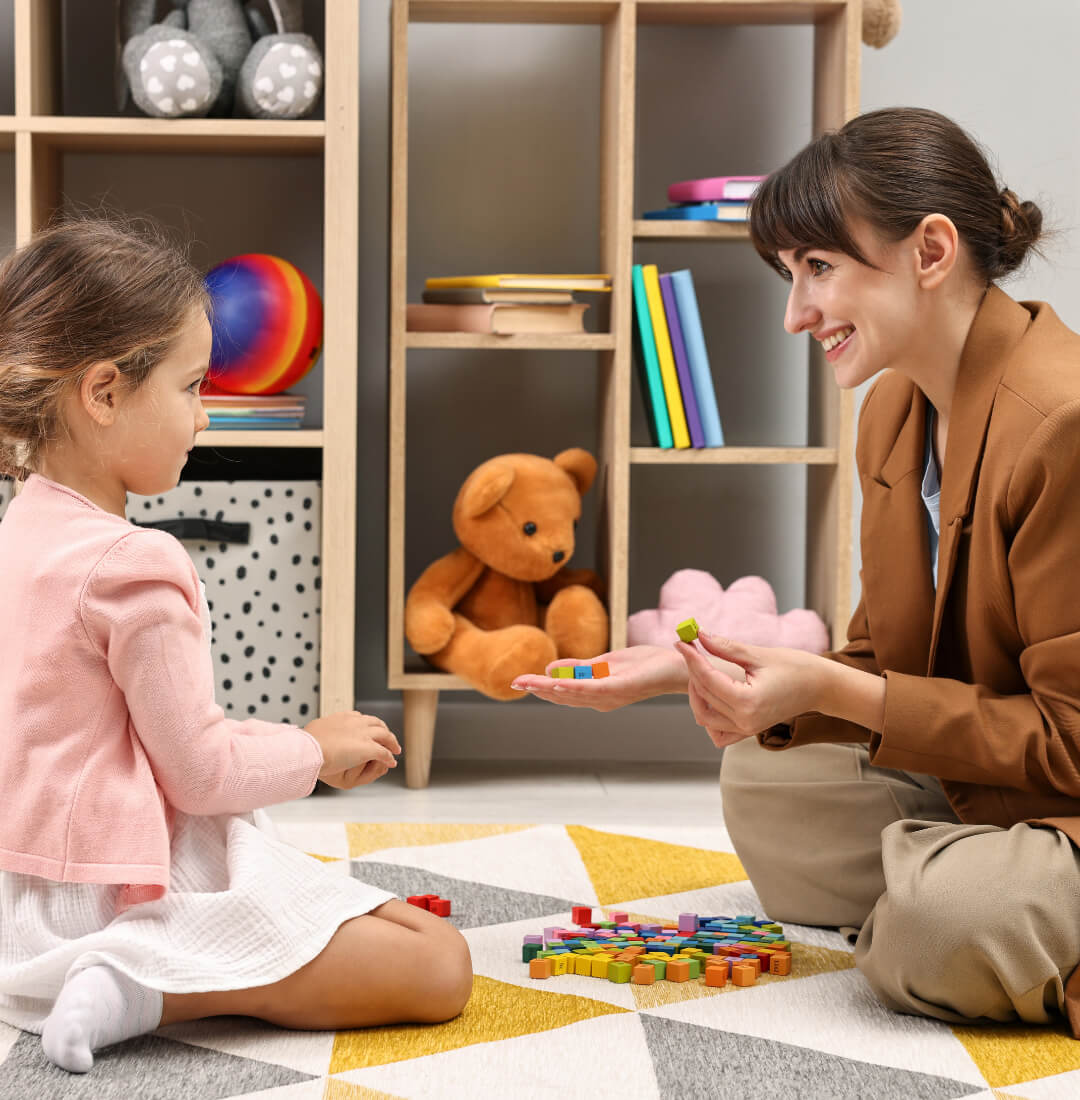
In my practice, I’ve found that the best “therapy” doesn’t always happen at a desk. The real magic starts when we follow a child’s lead. When we join their world through child-led play, engagement skyrockets—and language follows right behind it.
The Art of "Friendly Sabotage"
Once a child has a good base of words, they can get a bit “comfortable.” To nudge them further, I use communication sabotage.
Try creating tiny hurdles that give them a reason to talk:
- The “Hard-to-Open” Box: Put a favourite toy in a container they can’t unzip or unscrew.
- The Missing Piece: Hand over the bubble wand but “forget” the bubbles.
Remember to - SOUL
Sometimes the simplest tool is the best. It’s an INREAL strategy I’ve used since Uni called SOUL:
- Silence
- Observe
- Understand
- Listen
In a busy world of school runs and NDIS goals, giving a child “thinking space” can be hard. But when we stay silent and truly observe, we give them the room to find their own voice. You don’t always need to have the answers; sometimes, you just need a “hard-to-open box” and the silence to let them speak first.